Source waterproof wireless headset with enc call for Travel, Gaming, Aviation
Explore 30 options for a waterproof wireless headset with enc call designed for mobile phones, computers, and aviation use. Buyers can compare specifications like ANC, battery life, and connectivity to find the right supplier for bulk orders.
Key considerations
Products List
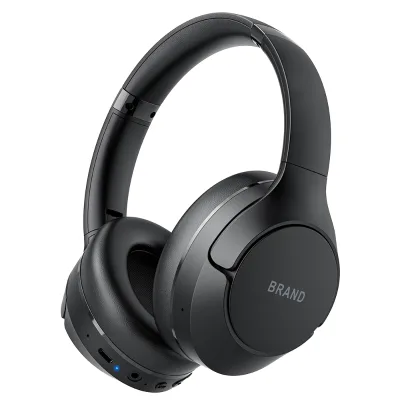


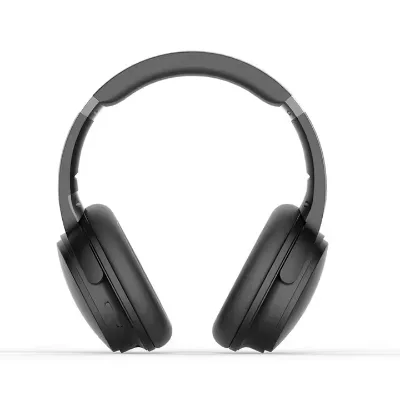


Comprehensive Sourcing Guide
Sourcing Guide for Waterproof Wireless Headsets with ENC Call Functionality
Procuring a waterproof wireless headset equipped with Environmental Noise Cancellation (ENC) for clear voice calls requires a disciplined approach to verifying technical claims against actual product specifications. In the B2B market, the intersection of audio clarity, environmental durability, and wireless connectivity presents specific challenges for buyers. This guide synthesizes observed market data and technical realities to help procurement professionals navigate the selection process, ensuring that the final product meets operational requirements without relying on unverified marketing assertions.
Understanding Technical Specifications and Audio Performance
The core of any wireless headset procurement lies in the audio architecture and connectivity protocols. When sourcing devices for professional or consumer use, buyers must distinguish between Active Noise Cancellation (ANC) for the listener and Environmental Noise Cancellation (ENC) for the caller. While many products advertise "Deep Noise Reduction," specific data indicates that some units in the market offer Active Noise Cancellation levels of up to 35dB. However, the presence of ANC does not automatically guarantee high-quality call performance. For clear voice transmission, the headset must utilize specific microphone arrays and digital signal processing (DSP) to isolate the user's voice from background noise.
Connectivity is another critical technical pillar. The market data highlights the prevalence of Bluetooth v6.0 in current high-end offerings, which suggests a focus on low latency and stable connections. A specific observation notes a wireless delay time of less than 30 ms, a crucial metric for gaming or real-time communication where audio sync is vital. Furthermore, the chipset plays a significant role in performance; the "JL" chipset is a common reference in this sector, often associated with specific power efficiency and codec support. Buyers should verify that the device supports standard codecs like AAC to ensure high-fidelity audio transmission. The product form factor, typically Over Ear for these specifications, influences the acoustic seal and, consequently, the effectiveness of noise isolation.
Waterproof Standards and Environmental Durability
One of the most critical verification points for a "waterproof" headset is the specific rating standard. In the provided market observations, the listed waterproof standard is IPX 0. This is a definitive technical fact that contradicts the common expectation of water resistance in modern headsets. An IPX 0 rating indicates that the device has no protection against water or dust. For buyers seeking a truly waterproof solution, this specific data point serves as a warning: the listed products in this specific dataset are not water-resistant.
Procurement teams must understand that "waterproof" is a regulated term. If a buyer requires a headset for sports, aviation, or outdoor environments where sweat or rain is a factor, they must explicitly request an IPX4, IPX5, or higher rating. Relying on general descriptions without verifying the IP code can lead to product failure. The material composition, often a mix of Leather, Plastic, and Metal, offers structural durability but does not inherently provide water sealing. Buyers must insist on test reports or certification documents that confirm the ingress protection rating before finalizing an order. The absence of a higher IP rating in the observed data suggests that these specific units are designed for indoor or dry-environment use only.
Compliance, Certification, and Regulatory Checks
Navigating the regulatory landscape is essential for international B2B procurement. While the source data mentions a "prod_standard" of 5099, this appears to be a packaging dimension rather than a regulatory compliance standard. Buyers cannot assume that a product is compliant with international safety or electromagnetic standards based on product descriptions alone. In the context of wireless devices, compliance with FCC (USA), CE (Europe), and RoHS (Restriction of Hazardous Substances) is mandatory for legal sale and operation.
The observation that the place of origin is Guangdong, China, places the supply chain within a major manufacturing hub, but it does not guarantee compliance. Buyers must verify that the supplier can provide valid test reports from accredited laboratories. For headsets with ENC and Bluetooth capabilities, electromagnetic compatibility (EMC) testing is particularly important to ensure the device does not interfere with other equipment, especially in sensitive environments like aviation or call centers. Additionally, battery safety standards, such as UN38.3 for lithium-ion batteries, must be confirmed to ensure safe transport and usage. Without explicit certification data, procurement should be treated as high-risk, and suppliers should be required to provide third-party validation before mass production begins.
Cost Drivers and Pricing Structures
The pricing landscape for wireless headsets is influenced by several variables, including the chipset, battery capacity, and customization options. The observed price range in the market spans from 2 to 310 USD, a vast disparity that reflects differences in quality, features, and volume. The lower end of this spectrum likely corresponds to basic models with minimal features, while the higher end may include advanced ANC, superior build materials, and complex DSP for ENC.
A significant cost driver is the Minimum Order Quantity (MOQ). The data indicates an MOQ of 2000 pcs for certain configurations, while other observations show ranges from 1 to 3000 pcs. High MOQs are typical for custom molds and private branding, which are noted as available features in the market. The "Customized" attribute suggests that buyers can alter the design, color, or branding, but this customization usually comes with a higher unit cost and a stricter volume requirement. The single gross weight of 13.5 kg for a single package indicates heavy packaging or bulk shipping units, which impacts logistics costs. Buyers must balance the unit price against the MOQ to determine the total cost of ownership, factoring in shipping, tariffs, and inventory holding costs.
Typical Applications and Usage Scenarios
The versatility of wireless headsets allows them to serve a wide array of industries. The observed usage data lists applications ranging from mobile phones and computers to specialized sectors like aviation, call centers, and DJ environments. The "Dual Track" soundtrack and "High Fidelity" sound quality suggest suitability for audiophiles and professional monitoring. However, the specific mention of "Aviation" and "Call Center" highlights the need for reliable voice clarity, which is where ENC becomes non-negotiable.
For call center operations, the headset must support long-duration wear, implying a need for comfortable materials like leather and effective noise isolation. The "Working distance" of 33 feet (10 meters) is standard for Bluetooth Class A devices, providing sufficient mobility for office environments. The "Game atmosphere light" is noted as "No Light" in the data, which might be a disadvantage for gaming-focused buyers who expect visual feedback, but it could be a benefit for professional settings where distraction is minimized. The "Support: IOS/Android" attribute ensures broad compatibility with modern mobile devices, making these headsets suitable for hybrid work environments. Buyers should match the specific application requirements, such as the need for a wired+wireless dual mode for redundancy in critical call center setups, against the product specifications.
Supplier Evaluation and Quality Control Protocols
Evaluating a supplier for wireless audio products requires a rigorous vetting process. The "Private mold: Yes" attribute indicates that the supplier has the capability to create unique designs, which is a positive sign of manufacturing maturity. However, buyers must verify the supplier's track record in producing devices with specific chipsets like "JL" and ensuring the Bluetooth v6.0 implementation is stable. The "Control Mode" being physical buttons is a reliable feature for users wearing gloves or in noisy environments, but it requires precise mechanical engineering to ensure longevity.
Quality control should focus on the battery performance and connectivity stability. The "Estimated Battery Life" of more than 20 hours and "Playing time" up to 65 hours are impressive claims that require validation through independent testing. The "Battery Charging Time" of 1-3 hours is a standard expectation, but buyers should confirm if this is under optimal conditions. The "LED" battery indicator is a standard feature, but its accuracy and visibility are important for user experience. For waterproof claims, as noted earlier, buyers must demand physical water resistance testing reports. A robust quality control plan should include pre-production samples, in-line inspections, and final random sampling to ensure that the batch meets the agreed-upon specifications regarding sound quality, call clarity, and build integrity.
Long-Term Procurement and Strategic Considerations
Sourcing wireless headsets is not just a one-time transaction but a strategic partnership that impacts long-term operational efficiency. The "Standby time" of up to 200 hours suggests a device that is ready for extended use, which is beneficial for inventory management and user satisfaction. However, the "Single package size" of 52.4X44.2X29 cm is quite large, which may indicate bulk packaging or a specific shipping configuration that affects storage and logistics planning.
Buyers should consider the lifecycle of the product, including firmware updates and support for future operating systems. The "Support: IOS/Android" attribute is current, but the longevity of software support is a critical factor for B2B clients who cannot afford frequent hardware replacements. The "Customization: Available" feature allows for branding and specific feature tuning, which can enhance brand loyalty and product differentiation. However, customization often extends lead times and complicates the supply chain. Buyers must plan for these lead times and ensure that the supplier has the capacity to scale production if demand increases. Finally, the "Distance version: Class A" ensures a robust connection range, but buyers should verify if this holds true in environments with significant interference, such as crowded offices or industrial settings. Strategic procurement involves balancing immediate needs with future scalability and support requirements.
FAQs
What is the active noise cancellation level for these headphones?
The headphones offer 35dB of deep noise reduction for active noise cancellation. This feature helps isolate the listener from background noise, though it does not guarantee environmental noise cancellation for callers.
Can these headsets be used in wet or rainy environments?
No, the listed waterproof standard is IPX 0, meaning they have no protection against water or dust. Buyers requiring water resistance for sports or outdoor use must request specific higher IP ratings from suppliers.
How long does the battery last during continuous playback?
The playing time can reach up to 65 hours on a single charge. This extended battery life supports long work sessions, with a standby time of up to 200 hours when not in use.
Which Bluetooth version and chipset are used in these devices?
These units utilize Bluetooth v6.0 with a JL chipset for connectivity. This combination supports low latency of less than 30 ms and ensures compatibility with AAC codecs for high-fidelity audio transmission.
What is the minimum order quantity for custom branded units?
The minimum order quantity is 2000 pieces for configurations requiring private molds. Customization is available for branding and design, but it typically requires meeting this specific volume threshold before production begins.
Which materials are used to construct the headphone body?
The product is constructed from a combination of leather, plastic, and metal. These materials provide structural durability and comfort, but they do not inherently provide water sealing without additional engineering.